
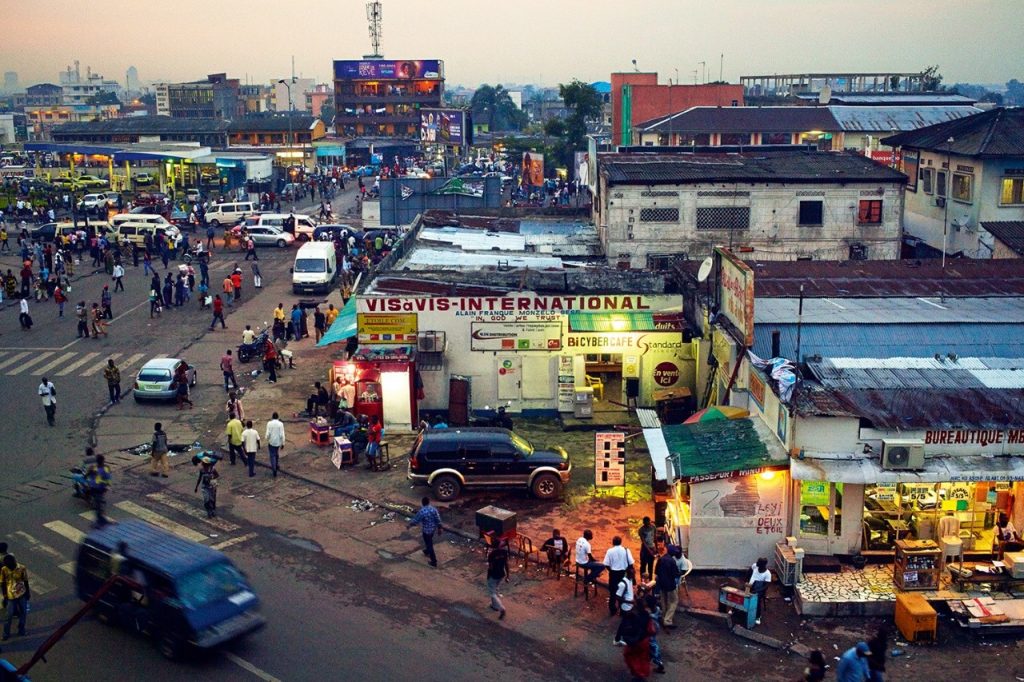
Investing in the Democratic Republic of Congo (DRC) offers high rewards thanks to abundant natural resources and large market potential — but it also exposes investors to meaningful risks. This guide breaks down the three most critical risk categories (security, political, and governance), explains how they affect different sectors, and provides practical mitigation measures investors can apply during market entry, project planning, and ongoing operations.
1. Executive summary — the risk landscape at a glance
- Security risks: localized conflict, criminality, artisanal mining-related violence, and supply-chain insecurity. These risks are concentrated in eastern provinces and some mineral corridors but can affect logistics nationwide.
- Political risks: policy volatility, changes in mining or investment law, contract renegotiation, and political instability around elections or elite competition.
- Governance risks: weak rule of law, bureaucratic opacity, corruption, unclear land rights, and weak enforcement of contracts and regulations.
Combined, these risks increase project timelines, raise operating costs, and can affect revenue realization and exit strategies. Yet many investors succeed by applying disciplined due diligence, strong local partnerships, robust security and community programs, and contractual safeguards.
2. Security risks — what to expect and why it matters
Key security threats
- Armed conflict and insurgency: Active armed groups in the eastern provinces (e.g., North Kivu, South Kivu, Ituri) pose threats to personnel and assets.
- Crime and banditry: Theft, kidnapping for ransom, and road ambushes affect transport corridors and remote sites.
- Artisanal and informal mining tensions: Competition over artisanal sites can escalate into violence and disrupt formal operations.
- Industrial action and social unrest: Local protests over jobs, benefits, or environmental impact can halt production or access.
- Cyber and fraud risks: Weak corporate cyber hygiene plus local fraud schemes can compromise finances and operations.
Impact on investors
- Supply-chain interruptions, higher insurance premiums, difficulty securing staff, project delays, reputational damage, and in worst cases asset loss or forced suspension of operations.
Mitigation measures
- Threat assessments: Commission independent security assessments before moving into a province or site. Update periodically.
- Security plans: Implement layered security (physical, electronic, procedural) tailored to site risk; vet and train local security providers.
- Insurance: Secure political violence, kidnap & ransom (K&R), and asset insurance—understand exclusions and claims processes.
- Local partnerships: Work with trusted local partners, community leaders, and authorities to build acceptance and early-warning networks.
- Logistics design: Use secure routes, convoy procedures, and diversified supply lines. Consider local warehousing to reduce transit exposure.
- Incident response: Create rapid-response plans, evacuation procedures, and crisis communications protocols.
3. Political risks — drivers and investor exposure
Major political risk vectors
- Regulatory change: Sudden amendments to mining, tax, or foreign-investment laws can change project economics.
- Contractual stability: Risk of contract renegotiation, expropriation, or administrative review—particularly in high-value sectors.
- Election-related instability: Pre- and post-election periods can be volatile and disrupt operations or policy continuity.
- Nationalistic policy shifts: Preference for stronger local ownership or re-prioritization of local content rules.
- Diplomatic friction: Geopolitical shifts that affect international access to finance, export markets, or diplomatic support.
Impact on investors
- Revenue volatility, increased compliance costs, restructured fiscal terms, constrained repatriation of profits, or legal disputes.
Mitigation measures
- Legal structuring: Use reputable local counsel to design holding structures, concession terms, and contractual protections under OHADA and DRC law.
- Stabilization clauses: Negotiate stabilization and grandfathering clauses where feasible, and include clear dispute-resolution mechanisms (international arbitration).
- Political risk insurance: Obtain coverage from multilateral agencies or private insurers (MIGA, private PRI) to protect against expropriation and political violence.
- Stakeholder engagement: Proactively engage national and provincial authorities, and secure high-level government support through ANAPI or similar agencies.
- Scenario planning: Model fiscal and regulatory stress-scenarios and maintain financial buffers.
4. Governance risks — corruption, institutions and rule of law
Core governance issues
- Corruption and rent-seeking: Bribery, opaque procurement, and discretionary approvals increase cost and project uncertainty.
- Weak institutions: Slow, inconsistent application of law; judicial unpredictability; administrative fragmentation across ministries and provinces.
- Unclear land tenure: Overlapping claims between state, provincial authorities, and customary landholders create disputes.
- Transparency gaps: Limited public disclosure of payments, licenses, and beneficial ownership in some areas (though reforms are ongoing).
Impact on investors
- Legal disputes, costs from unofficial payments, reputational harm, difficulty enforcing contracts or securing title, and barriers to financing.
Mitigation measures
- Robust compliance program: Implement anti-corruption policies, third-party due diligence, and internal controls aligned with international standards (FCPA, UK Bribery Act).
- Transparent procurement and reporting: Maintain clear audit trails and publish ESG and payment disclosures where possible to build trust.
- Land due diligence: Conduct thorough title searches, engage customary landholders, and use formal lease agreements with government registration.
- Local capacity building: Invest in governance through local hiring, training, and public-private initiatives that build institutional trust.
- Use of international standards: Adopt EITI, OECD due diligence, and IFI procurement standards to reduce governance friction and improve access to DFIs.
5. Sector-specific sensitivities
- Mining: High exposure to security (remote sites), political (royalties/taxes), and governance (artisanal interactions, procurement).
- Agriculture: Land rights and community consent are paramount; social license to operate is key.
- Energy & infrastructure: Large capital intensity exposes investors to political negotiation and long permitting timelines.
- Services & retail: Urban security and governance issues shape supply chains and consumer-facing operations.
6. Due diligence checklist for investors
- Political and security country risk report (external and internal)
- Legal review of permits, licenses, and stabilisation clauses
- Title and land rights audit (including customary claims)
- Anti-corruption and KYC checks for local partners and suppliers
- Environmental and social impact risk assessment (ESIA) and community engagement plan
- Insurance and financial stress-testing under adverse policy scenarios
7. Practical governance of risk — recommended investor playbook
- Pre-entry: Commission independent risk, legal and land due diligence; map stakeholder landscape.
- Structure: Use robust legal vehicles and localized management to balance control and political acceptability.
- Engage: Early, continuous engagement with communities, provincial authorities, and ANAPI; secure social license.
- Protect: Acquire appropriate insurance, put in place security and crisis-management protocols.
- Comply: Embed compliance and transparency into procurement, hiring, and payments.
- Adapt: Maintain scenario plans and exit options; keep flexible contract terms to respond to laws and market changes.
8. Conclusion
The DRC presents compelling investment opportunities, but security, political, and governance risks are real and material. Prudent investors succeed by treating risk management as a strategic discipline: conduct deep due diligence, build trusted local partnerships, secure contractual protections and insurance, invest in community relations, and embed compliance and transparency across operations. With those measures, investors can manage downside exposure while participating in one of Africa’s highest-potential markets.
If you’d like, I can produce a tailored risk assessment for a specific sector or province (e.g., mining in Lualaba, agribusiness in Equateur) including a bespoke mitigation plan and an actionable checklist. Which sector or location should I prioritise?


