
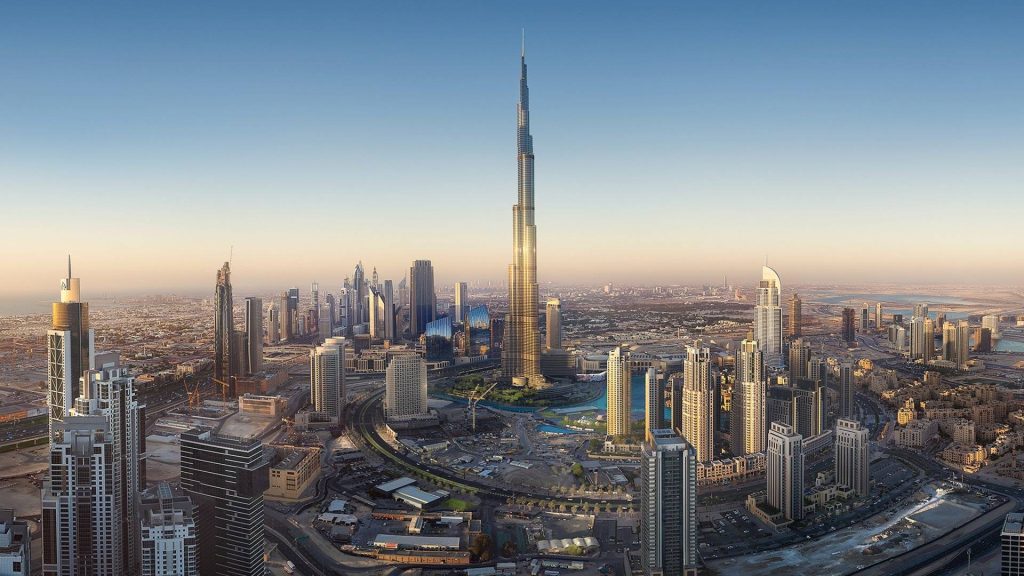
Dubai has rapidly evolved into one of the world’s most attractive destinations for entrepreneurs and multinational corporations. With its strategic location, zero income tax for most businesses, world-class infrastructure, and supportive government policies, Dubai is a gateway for global business expansion. Whether you are a startup founder, SME operator, or an international investor, setting up a business in Dubai offers a multitude of benefits.
This guide walks you through the entire process of business setup in Dubai, including license types, legal structures, Free Zones vs. Mainland, documentation, and tax implications.
Why Set Up a Business in Dubai?
Dubai’s appeal lies in its ability to combine a vibrant local economy with a truly global outlook. Here are the top reasons investors choose Dubai:
- 100% foreign ownership in many sectors
- Zero personal income tax and low corporate tax
- Over 40 Free Zones with business-specific incentives
- Quick company registration (often within a week)
- Access to global markets (Europe, Asia, Africa)
- State-of-the-art logistics and transport infrastructure
- Political stability and strict legal protections
Step-by-Step Business Setup Process in Dubai
1. Choose Your Business Activity
The type of business activity you intend to engage in will determine the license you need. Common business activities include:
- Trading (general or specific goods)
- Professional services (consulting, IT, design)
- Industrial/manufacturing
- E-commerce
- Real estate and construction
- Tourism and hospitality
Each activity must be approved by the Department of Economic Development (DED) for Mainland companies, or by the relevant Free Zone Authority.
2. Decide the Legal Structure
Dubai offers several business structures depending on the nature and size of your business:
- Sole Proprietorship (for individuals)
- Limited Liability Company (LLC) – most common for foreign-owned entities
- Branch or Representative Office of a foreign company
- Free Zone Establishment (FZE) or Free Zone Company (FZC)
- Civil Company – for professional service providers
Legal structure affects ownership rules, liability, and regulatory obligations.
3. Mainland vs. Free Zone vs. Offshore
Mainland Companies (regulated by DED):
- Can operate across the UAE without restrictions
- May now be 100% foreign-owned (in many sectors)
- Require office space in Dubai
Free Zone Companies:
- Offer 100% foreign ownership
- Exempt from import/export duties
- Cannot directly trade with UAE Mainland without a local distributor
- Ideal for international trading, e-commerce, logistics, etc.
Offshore Companies (e.g., JAFZA Offshore):
- Mainly for asset protection, holding companies, or international business
- No physical office or staff required
- Cannot do business within UAE
Each option serves different business goals.
Required Business Licenses
There are four primary types of licenses in Dubai:
- Commercial License – For trading businesses
- Industrial License – For manufacturing or industrial operations
- Professional License – For service-based companies
- Tourism License – For travel, hospitality, and related services
In some cases, dual licenses can be obtained to operate across both Free Zone and Mainland areas.
Documents Required for Registration
Business registration in Dubai is relatively straightforward but requires the following documentation:
- Passport copies of shareholders and managers
- Visa or residency status (for UAE residents)
- Business plan or brief activity description
- Trade name reservation certificate
- Initial approval from DED or Free Zone authority
- Memorandum of Association (MOA) and Articles of Association (AOA)
- Lease agreement for office space or flexi-desk
- Payment of relevant fees
How to Register a Company in Dubai
A. For Mainland Company:
- Reserve a Trade Name via DED
- Obtain Initial Approval
- Draft and Notarize MOA (with a UAE Notary Public)
- Secure Office Space (Ejari tenancy contract required)
- Apply for Business License with supporting documents
- Receive License and begin operations
B. For Free Zone Company:
- Choose Free Zone based on business activity (e.g., DMCC for trading, Dubai Internet City for tech)
- Submit Application with passport and activity details
- Select Office Package (flexi-desk, shared space, or full office)
- Receive License and Establishment Card
- Open Bank Account and Process Visas
Costs of Setting Up a Business in Dubai
The cost depends on location, activity, and structure. Key costs include:
- Trade name reservation: AED 620 (~$170)
- License fees: AED 10,000–50,000 annually
- Office rent: AED 15,000+ depending on space
- Free Zone packages: Starting from AED 12,000 for flexi-desk setups
- Immigration card and visa processing: AED 3,000–6,000 per person
Corporate Tax and Compliance
New Corporate Tax Law (Effective 2023):
- 9% corporate tax applies on profits exceeding AED 375,000
- Free Zone businesses may remain tax-exempt if they meet qualifying criteria
- VAT (5%) applies to most goods and services
- No personal income tax, capital gains tax, or inheritance tax
Compliance Requirements:
- Maintain audited financial statements (mandatory in most Free Zones)
- File annual tax returns and economic substance reports (where applicable)
- Renew licenses annually
For Free Zone tax rules, consult the UAE Federal Tax Authority (FTA).
Visa and Employment Requirements
Setting up a company enables you to apply for:
- Investor Visa (2–10 years depending on investment)
- Employee Work Visas
- Dependent Visas for family members
Companies must register with the Ministry of Human Resources & Emiratisation (MOHRE) and provide health insurance and proper labor contracts.
Benefits of Doing Business in Dubai
- Ease of doing business: Ranked high globally for business-friendly processes
- Global connectivity: Two major international airports, Jebel Ali Port, and top logistics providers
- Digital government: Almost all services are accessible online
- Safety and stability: Dubai is one of the safest cities in the world
- Multicultural talent pool: Access to professionals from over 200 nationalities
Challenges to Consider
- Initial setup costs can be high for startups
- Strict regulatory compliance especially with VAT and corporate tax
- Restrictions on direct Mainland trade for Free Zone companies
- Cultural and language barriers, though English is widely used
These challenges can be overcome with proper planning and local guidance.
Choosing the Right Business Partner
Foreign entrepreneurs may benefit from partnering with:
- Local consultants or law firms experienced in Dubai business formation
- Company formation agents who specialize in Free Zone or Mainland registrations
- Banking advisors to help with account setup and compliance
Many of these services offer end-to-end support including license application, office space, visa processing, and legal documentation.
Conclusion
Dubai offers one of the most dynamic, secure, and globally connected environments to start or expand a business. From 100% foreign ownership and zero personal tax to a wide array of Free Zones tailored for different industries, Dubai’s business setup framework is built for speed, flexibility, and growth.
Whether you’re looking to establish a new startup or open a regional headquarters, understanding the regulatory environment, choosing the right legal structure, and staying compliant with tax and immigration laws will ensure your success.
By leveraging local expertise and choosing the right business zone, setting up a business in Dubai can be both a seamless and strategic investment into your company’s global future.


